
Toxic Chemicals in Plastics: Limiting Exposure
Phthalates and bisphenols can affect health, especially if the exposure occurs in the womb or during early childhood. Certain plastics contain these chemicals that are harmful to human health even at low levels of exposure.
Soft, flexible plastics are often made with chemicals called phthalates.
Hard, clear plastics are often made with a chemical called bisphenol-A (BPA). These ingredients can interfere with hormones (such as estrogen and testosterone) and may disrupt a child’s normal development and growth, especially if the child is exposed to these chemicals over long periods of time.
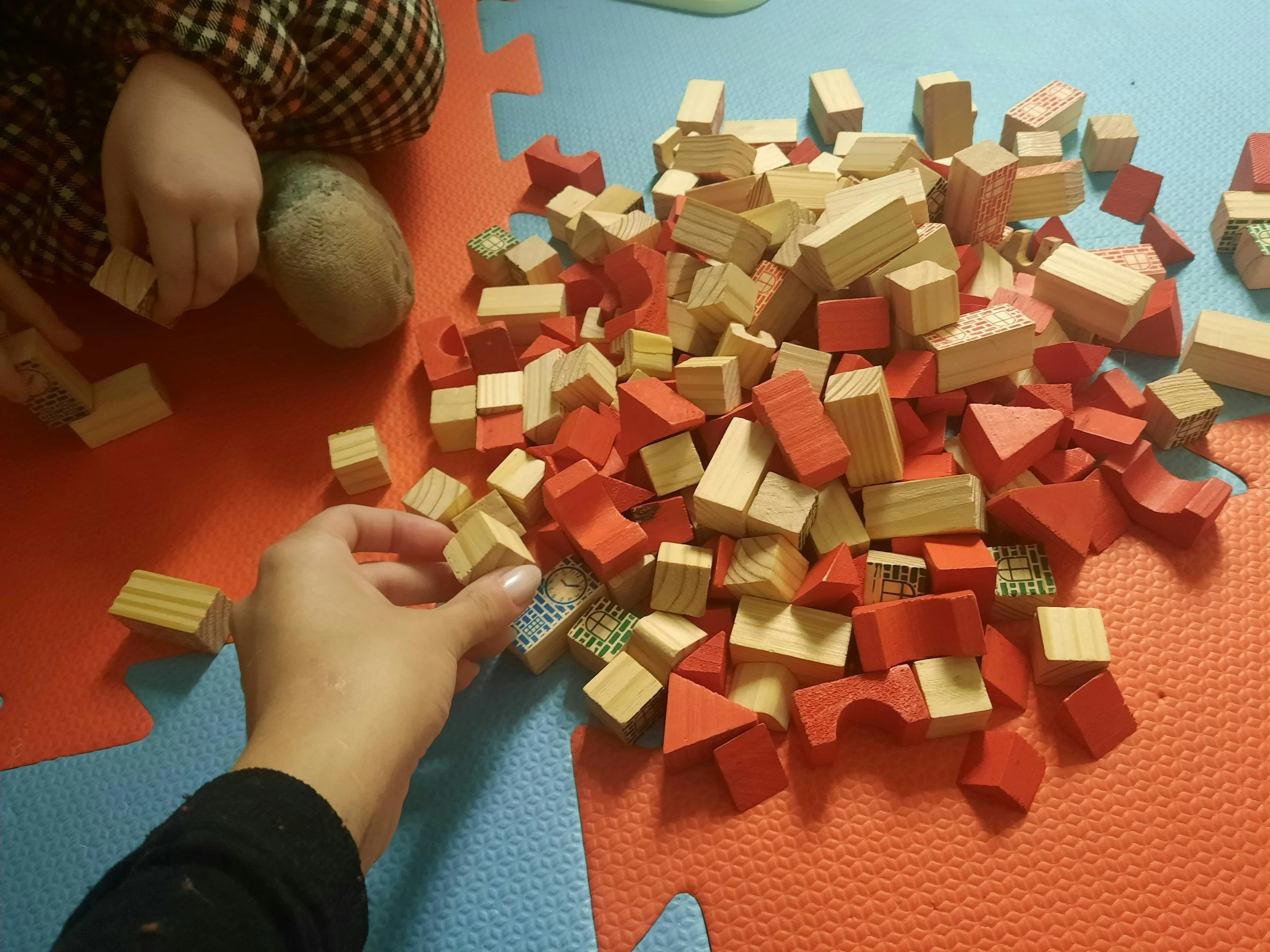
Opt for toys made of natural materials to limit exposure to plastics commonly found in kids toys.
10 Tips for Limiting Exposure
Avoid plastics with recycling code #3, #6, and #7.
Purchase glass baby bottles with a silicone sleeve whenever possible. If glass is not an option, milky, opaque plastic bottles and sippy cups labeled “BPA free” can be used.
Never heat or microwave food or drink in any plastic containers, even if the product says “microwavable” or “microwave safe”.
Leaching of toxic chemicals from plastic to food or liquid may occur. Use a paper towel instead of plastic wrap to cover food in the microwave.
Never heat plastic baby bottles. When mixing formula, heat the water before mixing. When warming breast milk, use a glass bottle (remove the plastic cap). Use PVC-free plastic wrap or a reusable option like beeswax wraps.
Eat fresh or frozen produce. Minimize the use of canned foods and canned drinks as many are lined with BPA or its sister compounds BPS/BPF.
Choose a pacifier that is either entirely made of silicone, or has a silicone or natural rubber nipple and is labeled BPA-free (if hard plastic).
Purchase phthalate-free and fragrance–free beauty products.
Ask your dentist for BPA-free sealants and composite fillings.
Discard all worn or scratched plastic food containers, especially baby bottles, sippy cups and infant feeding plates and cups.
