
Our Work
Since 2009, the New Hampshire Birth Cohort Study has been investigating how the impact of environmental contaminants might affect the health of pregnant women and their children.
Our Research Objectives
-
The New Hampshire Birth Cohort Study is a research project that is investigating how various factors such as contaminants in the environment affect the health of pregnant women and their children. Beginning in 2009, with the help of medical providers in New Hampshire, the study staff at the Geisel School of Medicine at Dartmouth, began enrolling pregnant women at clinics in the Concord and Lebanon regions of New Hampshire. Today our study has over 1,500 women and 1,500 children from New Hampshire and Vermont participating in this important study.
-
Children's environmental health and disease prevention is a new and evolving field of research. It is especially important because pregnancy and childhood are critical times in the life cycle when the vulnerability to environmental contaminants may be enhanced. Likewise, the potential for short and long term health effects of exposure to environmental contaminants also may be heightened during these times of rapid development and growth.
-
Our research is what is known as a prospective longitudinal cohort study. This basically means that we are actively following our group of study participants over time as they grow and develop - from early pregnancy and into childhood. We designed our study this way so that we can collect information at time points that are considered to be especially critical to the development of children and when we may best assess the possible effects of various contributors to health such as environmental contaminants. By following the children prospectively, as opposed to retrospectively (i.e. looking back), we are likely to be able to more accurately learn about how different environmental contaminants may be affecting the health of children and pregnant women. As this is an epidemiologic study, we look for trends in the overall group of mothers and children we are following as opposed to specifics found in individuals. Our hope is that our research will help support the development of guidelines for public health organizations and medical providers interested in protecting the health of pregnant women and children from adverse health effects of environmental contaminants; as well as provide parents with information to improve life-long health.
-
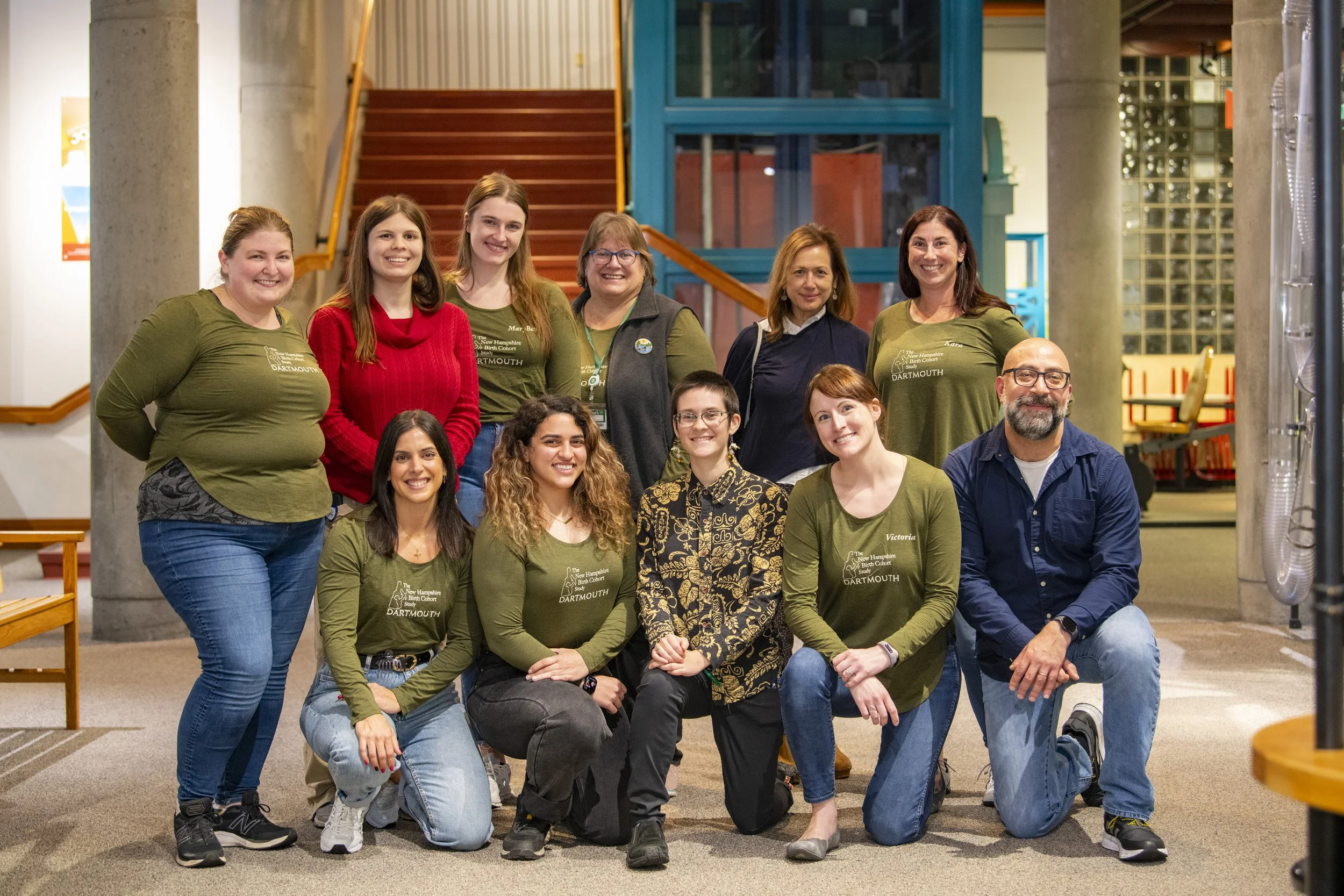
If you are a participant in our study, you have probably met some of our staff who work with our collaborating clinics and the wonderful teams that help to make this study a success.
Our team coordinates the questionnaire mailings and sample collection kits, gifts and cards for women and children. They make sure that all the information from the questionnaires and other materials completed or collected from our study participants gets entered in our databases for analysis and stored properly. We coordinate activities with the Birthing Pavilion at Dartmouth Hitchcock Medical Center when the babies are born. Our team also makes periodic calls to participants to remind them of missing items and to help our research director with providing updates and information to Dartmouth and our sponsors to ensure that the research is being conducted as designed and is safe for our study participants.
Our data team and investigators interface with the Environmental Influences on Child Health Outcomes (ECHO) Program to ensure that the scientific aspects of our study are sound. They participate in working groups and task forces that help to keep the program running and help to innovate research that improves the health and well-being of our participants and families across the United States and beyond. Additionally, they publish research studies and disseminate results, including the summaries provided in our study newsletters.
Being a college, our study employs a few student workers each term. Most of our students are from Dartmouth, but sometimes in the summer, we have students from other colleges working with us. We have also had students from the Geisel School of Medicine and other graduate students, as well as postdoctoral trainees who have worked on our study. All of the students and trainees have contributed to the success of our study and have worked on everything from data entry to laboratory processing and analysis, protocol development, and the preparation of presentations, professional papers, and reports summarizing the findings of our study.
ECHO Team
-
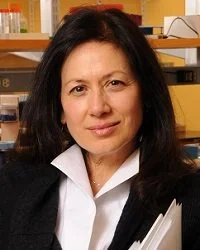
Margaret Karagas, PhD
Director of the NH Birth Cohort Study, ECHO MPI
-
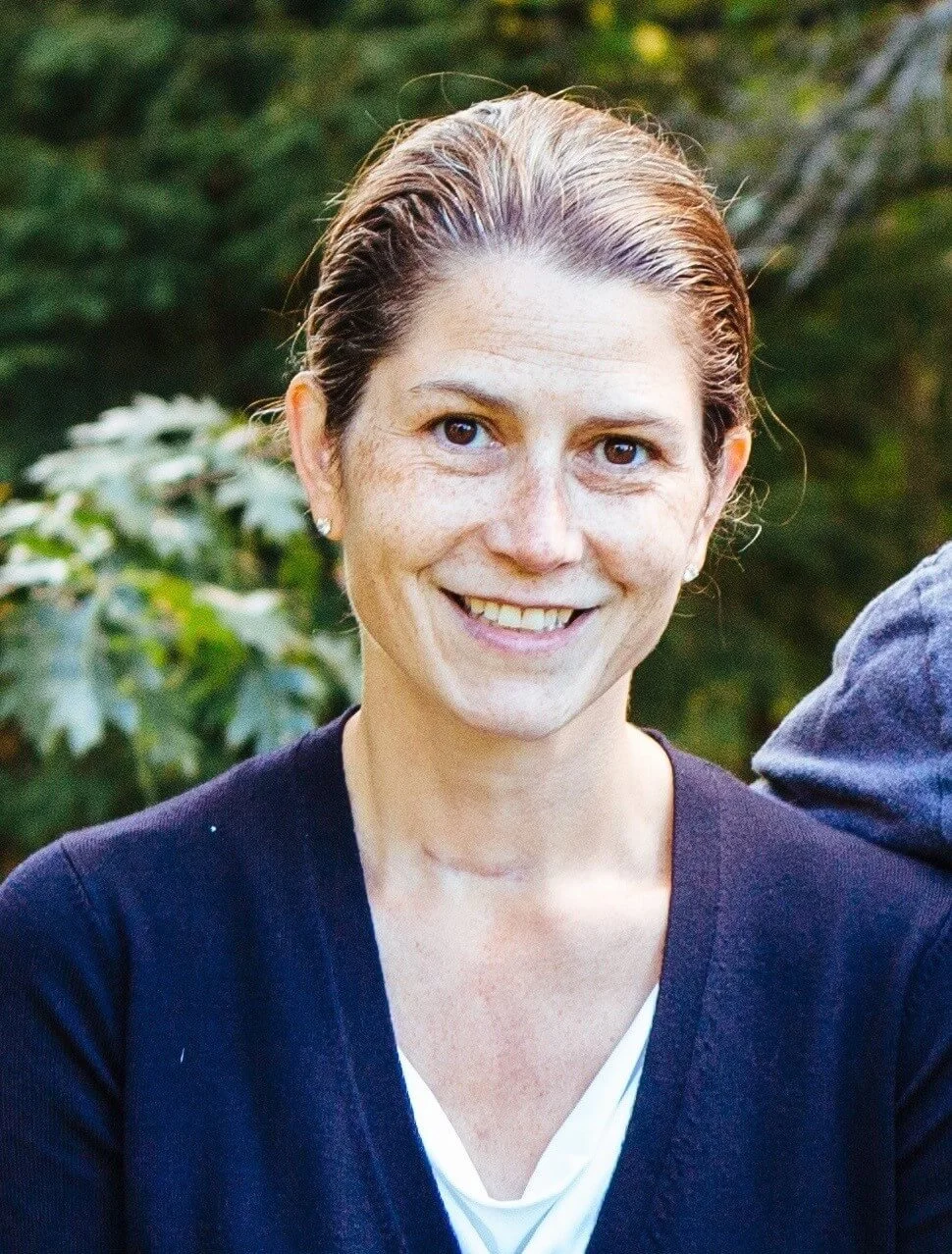
Juliette Madan, MD
ECHO MPI
-

Leyre Notario Barandiaran, PhD
Preconception and Partners
-

Caitlin Howe, PhD
Early and Middle Childhood
-

Megan Romano, PhD
Adolescence/Outreach
-
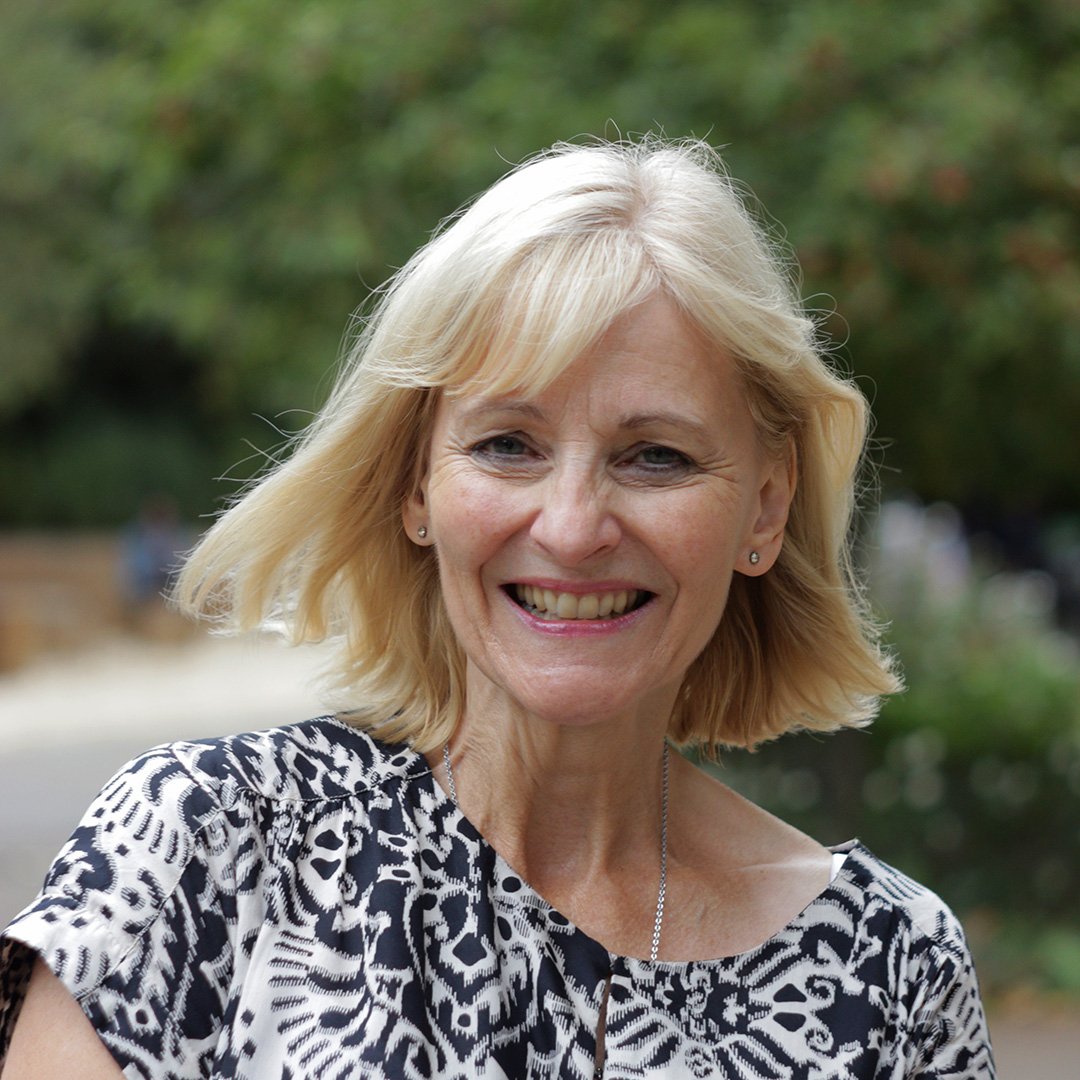
Janet Peacock, PhD
Lead Biostatistician
-
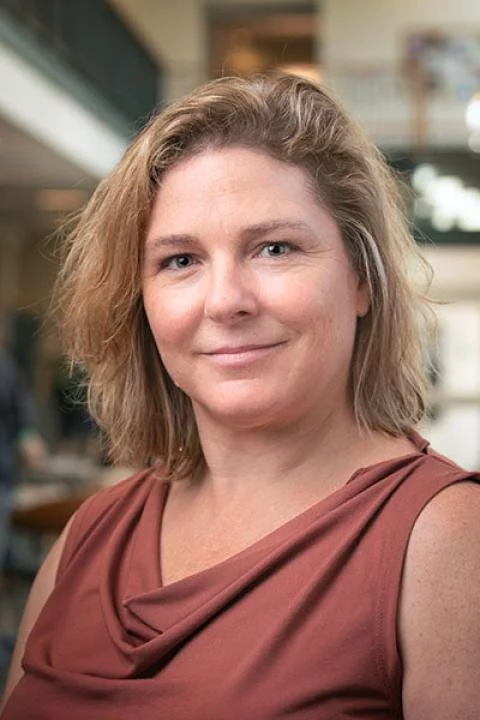
Tracy Keirns, PhD
University of New Hampshire Survey Center
-

Courtney Baker
Research Administration Manager
-
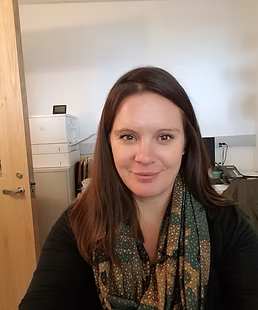
Jennifer Egner
Associate Research Director | Field Team, Regulatory Oversight
-
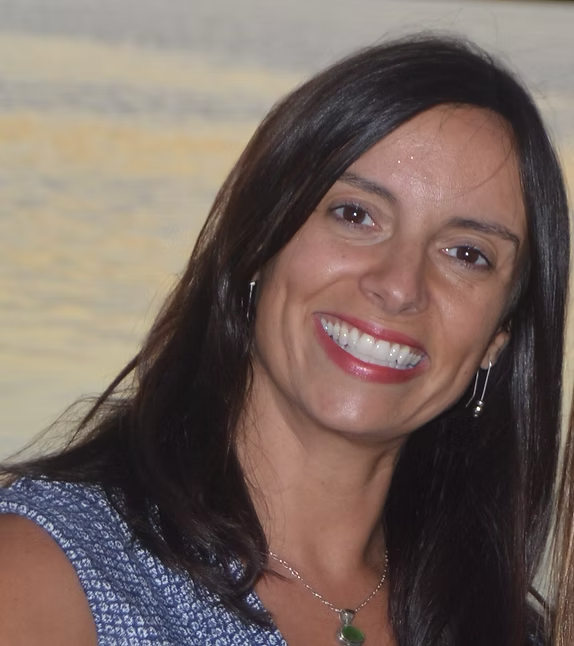
Cristina Kehoe
Recruitment Specialist | Visit scheduling, e-consents (all age bands)
-

Joan Robie-Dieter
Assistant Research Director | Field Team, Mailings, Sample Pickups
-

Victoria Wood
Research Project Manager | Field Team, Visits
-

Mohadeseh Kazemi, MS
Data Scientist
-

Sergio Duncan, MS
Research Scientist
-

Tom Palys, PhD
Biorepository Director
-
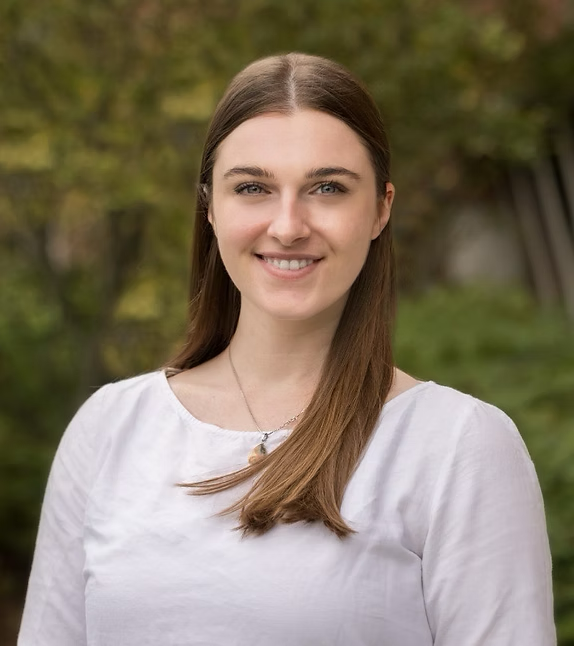
MaryBeth Semosky
Research Coordinator
-

Sharanya Subramaniam
Research Coordinator
-

Lyrica Stelle
Research Coordinator
-

Elizabeth Pflugradt
Laboratory Technician
-

Donovan King, MS
Laboratory Technician
-

Jennifer Hilton-Hancock
Research Respiratory Coordinator
-

Grace Cullinane
Research Coordinator
-

Jeffrey Vonada
Study Coordinator
-
Katie LaMare
Respiratory Therapist
-

Jessica Skelton, RN
-

Caleb Nketiah
Mobile Van Driver
-

Samantha Paige
Research Assistant
-

Amber Martin
Research Assistant